 +441618020154

Hotel vs Serviced Accommodation: A Practical Guide for Contractors
When arranging accommodation for a work trip, the default choice is often a hotel. It’s familiar, easy to book, and well suited to short business visits.
However, for contractors, project teams, and longer assignments, serviced accommodation is increasingly becoming the more practical option. The difference may not be obvious at first glance, but once you look beyond the nightly rate, the contrast becomes clearer.
Here’s how the two compare.
Space and Layout
Hotel rooms are designed for short stays. Typically, you’ll have a bedroom, a bathroom, limited storage, and perhaps a small desk. For a one- or two-night trip, that setup is perfectly adequate.
But on longer projects, particularly those lasting a week or more — limited space can begin to feel restrictive.
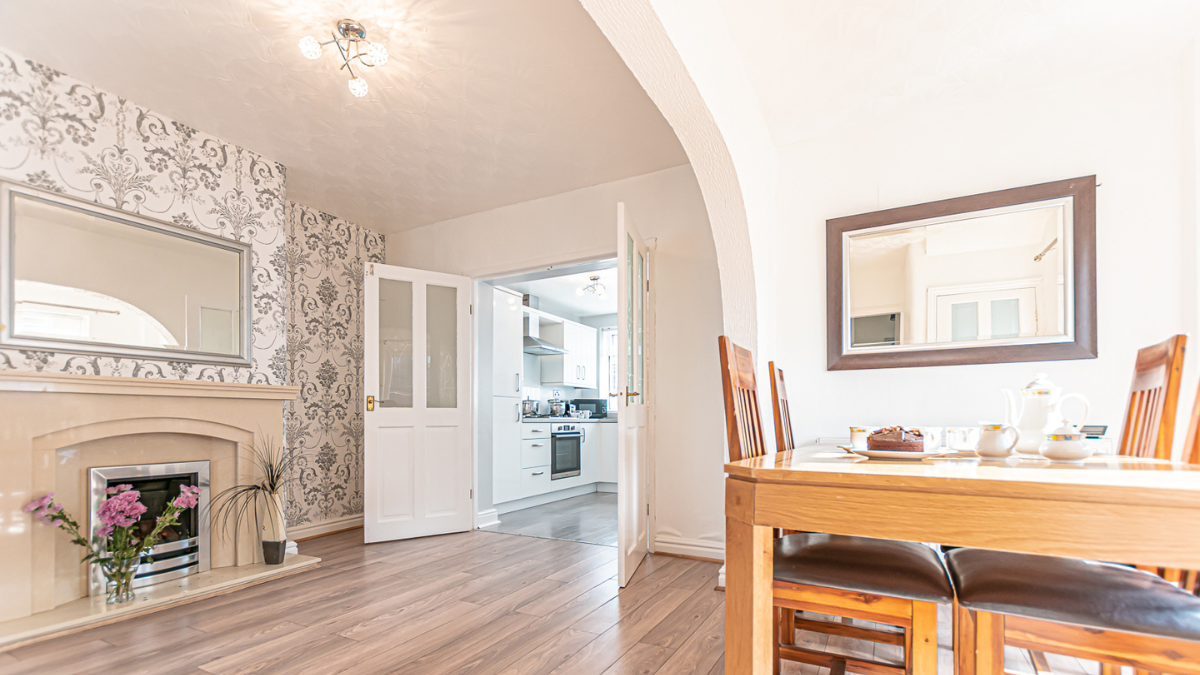
Serviced accommodation offers a more residential layout, with separate bedrooms, a living area, and a fully equipped kitchen. For teams sharing a property, having defined sleeping and communal areas creates a more comfortable routine and a better balance between work and downtime.
Cost Over Longer Stays
Hotels can appear competitively priced for short bookings. Over several weeks, however, the overall cost can rise significantly.
Serviced accommodation is typically structured with longer stays in mind, often offering weekly or monthly rates. The ability to prepare meals reduces daily food expenses, and residential properties may avoid additional charges such as parking fees. For project managers working within fixed budgets — especially when housing multiple team members, these differences can quickly become significant.
Kitchen and Laundry Access
One of the most practical distinctions is access to everyday amenities.
In a hotel, guests rely on restaurants, room service, or takeaway. While convenient in the short term, this can become both repetitive and expensive during extended stays.
Serviced accommodation includes a fully equipped kitchen, allowing guests to cook according to their own schedule. Many properties also provide laundry facilities, a particularly useful feature for contractors or teams working on-site for several weeks. These practical details often make longer stays more manageable.
Flexibility for Changing Project Timelines
Construction and infrastructure projects rarely follow an exact schedule. Extensions, delays, or team changes are common.
Hotels can sometimes be less adaptable when amendments are needed, particularly during busy periods. Serviced accommodation, by contrast, is generally better suited to mid- and long-term arrangements. Extending a stay or adjusting dates is often more straightforward, which can be valuable when project timelines shift unexpectedly.
For businesses managing evolving schedules, that flexibility can make planning easier.
Privacy and Team Living
Hotels are built for high turnover, which works well for short city-centre visits. For longer assignments, however, teams may benefit from a quieter and more settled environment.
Serviced accommodation provides space to unwind after work, prepare meals together, or relax separately. Over multi-week stays, this can support wellbeing and contribute to stronger team morale.
Which Option Makes More Sense?
Hotels remain an excellent choice for brief city-centre meetings or overnight stays. They provide convenience and simplicity when time is limited.
However, for contractor assignments, team bookings, relocations, and longer work projects, serviced accommodation often provides greater space, flexibility, and value. The right choice ultimately depends on the length of stay, the size of the team, and the practical needs of the project.
For teams working across Greater Manchester and the wider North West, it can help to discuss availability and suitable options in advance to ensure the accommodation fits the project requirements.


